
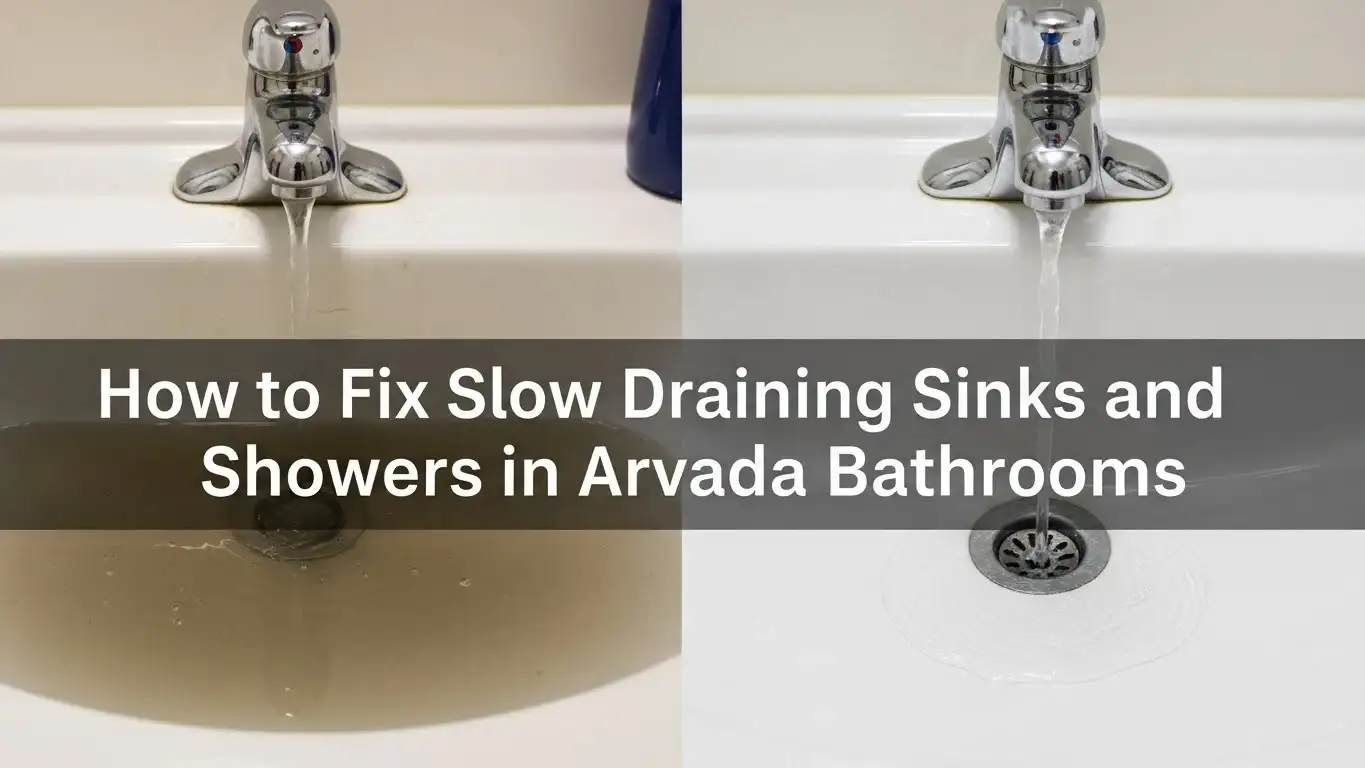
Slow-draining sinks and showers are common in Arvada bathrooms. Hard water, older plumbing, and everyday buildup make drains clog faster here than in many other areas. Hair, soap residue, and minerals settle inside pipes and narrow the path water needs to move through. Cold winters also play a role. When temperatures drop, pipes contract slightly, and buildup inside them hardens, which slows drainage even more.
Many older homes in Arvada have aging drain assemblies that no longer clear water efficiently. Understanding why drains slow down makes it easier to fix the problem and prevent it from coming back. Some clogs are easy to clear at home, while others point to deeper plumbing issues that need long-term solutions.
Common Reasons Sinks and Showers Drain Slowly in Arvada
Slow drains usually come from a mix of buildup, aging pipes, and ventilation issues. Arvada’s hard water and older plumbing systems make these problems appear more often and return faster if not addressed properly.
Hard Water Mineral Deposits Inside Drain Lines
Arvada’s water contains high levels of calcium and magnesium. These minerals settle inside drain pipes and create a rough surface that traps hair and soap. Over time, the deposits thicken and narrow the drain, slowing the flow of water.
Hair, Soap Scum, and Product Buildup
Bathroom drains collect hair, conditioner, shaving cream, and soap residue. When these materials mix, they form a sticky layer that clings to the inside of pipes. This buildup grows quickly in showers and sinks used daily.
Aging Pipes With Narrowing Interiors
Older Arvada homes often have pipes that corrode or warp over time. As the interior walls change shape, water slows and debris catches more easily. These drains clog more frequently, even with light use.
Vent Stack Blockages Reducing Air Flow
Drains rely on proper airflow to move water. When the vent stack is blocked by leaves, debris, or snow, air can’t flow freely, and drains begin to gurgle and slow down. This issue often affects multiple fixtures at once.
Incorrect or Sagging Drain Pipe Slope
Drain pipes need the right slope to carry water away. If a pipe sags or settles, water slows and debris collects in the low spot. This is common in older homes where framing has shifted.
A Clogged P-Trap Under the Sink or Shower
P-traps catch debris to stop sewer gases from entering the home. When the trap fills with hair or hardened soap, water backs up quickly. This is a simple fix but a frequent cause of slow drainage.
How to Diagnose a Slow Drain

Before choosing a fix, it helps to understand what’s slowing the drain. A few simple checks can reveal whether the problem is a small blockage near the surface or something deeper in the plumbing system. These steps work well for both sinks and showers in Arvada homes.
Check If One Drain Is Slow or Multiple Fixtures Are Affected
If only one sink or one shower drains slowly, the blockage is usually close to that fixture. When several drains slow down at the same time, the issue may come from the main line, vent stack, or aging pipes.
Remove and Inspect the Sink Stopper
Sink stoppers collect hair, toothpaste, and soap film. Pull the stopper out and inspect the stem and surrounding area. A thick layer of debris here often explains sudden slow drainage.
Run Water and Listen for Gurgling Sounds
Gurgling is a sign that the drain isn’t getting enough airflow. This often points to a venting issue rather than a typical clog. If the drain slows and gurgles at the same time, the vent stack may be partially blocked.
Test Hot vs. Cold Water Drainage
Hot water melts some residue and flows faster. If the drain handles hot water better than cold, soap and product buildup are likely the cause. If both drain slowly, the clog is deeper.
Look for Standing Water in the Shower Base
Water that pools around your feet during a shower usually means hair or soap scum is blocking the line. If the water drains only after several minutes, the blockage may be farther down the pipe.
Quick Fixes Homeowners Can Try
Many slow drains come from simple surface-level buildup. These fixes are easy to try and often restore normal flow without tools or professional help.
Clean the Sink Stopper and Drain Guard
Sink stoppers trap hair, toothpaste, lotion, and loose debris. Over time, this buildup forms a thick layer that slows water almost instantly. Remove the stopper, clean off the debris, and rinse the opening. Shower drain guards collect even more hair, so cleaning them regularly prevents repeat clogs.
Use a Drain Hair Tool to Remove Debris
Hair often wraps around the inside of the drain opening, especially in showers. A drain hair tool reaches deeper than your fingers or a basic cleaner. It pulls out long strands and soap-coated clumps that slow water movement. This tool works well for drains that slow down gradually over weeks.
Pour Hot Water to Break Down Soap Buildup
Soap scum hardens on the inside of cold pipes. Hot water softens the residue and helps rinse it away. This works especially well in Arvada, where hard water combines with soap to form a thick, sticky layer. Repeating this step weekly helps prevent early clogs.
Flush the P-Trap Under the Sink
The P-trap holds a small amount of water to block sewer gases, but it also collects debris. Toothpaste, shaving cream, hair, and mineral particles settle here. Removing the trap and rinsing it out takes only a few minutes and often fixes slow drainage in bathroom sinks.
Try a Safe Enzyme-Based Drain Cleaner
Enzyme cleaners break down organic material without damaging pipes. They dissolve hair, soap, and product residue over time. These cleaners are safer for older Arvada plumbing because they avoid the harsh chemicals that weaken metal or PVC pipes.
Dealing With Hard Water Buildup in Arvada
Arvada’s hard water is one of the biggest reasons drains slow down over time. The minerals in the water settle inside pipes, around drain openings, and in the P-trap. As these deposits thicken, debris sticks to them and forms layers that block water flow. Understanding how hard water affects drainage helps you choose the right maintenance steps.
How Minerals Narrow Drain Pipes
Calcium and magnesium cling to the inside of drain lines. At first, the buildup is thin and easy to overlook. Over time, it becomes a hard, chalky layer that narrows the pipe. Water hits these rough surfaces and slows down, allowing more debris to collect behind it. This is why slow drains return quickly in many Arvada homes.
Signs Your Slow Drain Is Caused by Hard Water
Slow drainage from both sinks and showers
White or chalky residue around drain openings
Soap scum that returns quickly after cleaning
Reduced flow that improves slightly with hot water
If these signs appear together, minerals are likely the main cause.
Why Enzyme or Vinegar Flushing Helps
Hot water alone can’t dissolve mineral deposits, but it helps loosen the soap and product buildup that stick to them. Enzyme cleaners break down organic material and improve flow without harsh chemicals. Vinegar flushes help soften lighter mineral deposits and prevent them from spreading deeper into the drain.
For homeowners dealing with recurring buildup, our guide on how hard water affects bathroom materials in Arvada explains why minerals form so quickly and how to reduce the damage they cause.
When Slow Drains Point to Bigger Plumbing Issues
Some slow drains don’t come from hair or soap buildup. Instead, they signal deeper plumbing problems that develop over time. These issues often affect more than one fixture and continue even after basic cleaning. Older Arvada homes are more likely to experience these types of problems because of aging pipes and shifting structures.
Sewer Line Clogs Impacting Multiple Drains
If several drains slow down at once, the main sewer line may be partially blocked. Tree roots, accumulated debris, or collapsed sections of old pipe can restrict flow. This problem usually worsens over time and often causes gurgling or foul smells. It requires professional inspection before serious damage occurs.
Vent Stack Obstructions Affecting Bathroom Drainage
A blocked vent stack prevents air from moving through the plumbing system. Without airflow, water drains slowly and makes gurgling sounds. Leaves, debris, or winter ice can obstruct the vent, causing slow drainage in sinks, showers, and tubs. Clearing the vent restores normal flow.
Pipe Corrosion Reducing Flow
Older metal pipes corrode from the inside. As corrosion increases, the diameter of the pipe shrinks and traps debris. This creates slow drainage that won’t improve with surface-level cleaning. Replacing these pipes is often the only long-term solution.
Tree Root Intrusion in Older Arvada Neighborhoods
Trees search for moisture, and their roots often enter small cracks in underground plumbing. Once inside, they expand and block the pipe. Homes with mature trees or older sewer lines are more likely to experience this issue. Root intrusion usually causes slow drains and recurring backups.
Long-Term Fixes for Persistent Slow Drains
When slow drainage keeps returning, the problem is usually deeper in the plumbing system. Older Arvada homes often have aging drain lines, worn fittings, or limited ventilation that make clogs form again even after cleaning. Long-term upgrades help restore consistent flow and prevent future blockages.
Many homeowners explore bathroom improvements and plumbing upgrades through Bathroom Remodeling Arvada when slow drains continue despite basic maintenance. These upgrades strengthen the system and reduce the chance of recurring buildup.
Replace Aging or Corroded Drain Lines
Old metal drain lines lose their smooth interior surface over time. Corrosion narrows the pipe and traps more debris, which slows drainage. Replacing old lines with modern materials improves flow and prevents frequent clogs.
Install New Traps or Drain Assemblies
Worn or poorly designed drain assemblies restrict water movement. Updating the P-trap or installing a new drain assembly creates a clear path for water and reduces the chance of buildup.
Improve Ventilation in the Drain System
Better venting helps water move through the pipes without gurgling or slowing down. Adding or repairing vent lines allows air to flow properly, which keeps drains running smoothly.
Upgrade to Materials That Resist Hard Water Buildup
Modern PVC and ABS drain materials resist mineral deposits better than older metal pipes. They stay smoother for longer and reduce the chance of clogs caused by hard water an ongoing issue in Arvada.
How to Prevent Slow Drains in the Future
Slow drains return quickly if buildup isn’t managed regularly. Simple habits and routine maintenance keep water moving through the pipes and prevent the most common causes of blockages in Arvada homes. When slow drainage leads to lingering moisture around sinks or showers, it also increases the chance of mold forming. Homeowners who want to avoid moisture damage can review our guide on preventing mold and moisture in Arvada bathrooms for practical steps to keep damp areas under control.
Clean Stoppers and Strainers Regularly
Hair and product residue collect at the top of the drain before reaching the pipe. Cleaning stoppers and strainers every week prevents this debris from building up and blocking the flow.
Use Hair Catchers in Showers and Sinks
A hair catcher stops one of the biggest sources of clogs before it enters the drain. These inexpensive tools reduce the amount of cleaning needed and help keep pipes clear longer.
Flush Drains With Hot Water Weekly
Hot water loosens soap scum and helps push it farther down the line before it can harden. This small step works especially well in Arvada, where hard water mixes with soap and forms stubborn residue.
Reduce Soap Scum by Switching to Liquid Cleansers
Bar soaps leave behind more residue than liquid products. Switching to liquid cleansers reduces the amount of buildup inside the drain and helps keep pipes clear.
Inspect Drains for Early Buildup
If water begins to pool, even slightly, it’s a sign buildup has started. Addressing the problem early prevents deeper clogs and keeps drains working efficiently.
Slow-draining sinks and showers are common in Arvada because of hard water, aging plumbing, and everyday buildup inside drain lines. Many problems start small but grow over time when hair, soap, and minerals settle in the pipes. With the right mix of cleaning, routine maintenance, and targeted upgrades, most drains can be restored to steady, reliable flow.
Addressing issues early prevents deeper clogs, protects the plumbing system, and keeps bathrooms functioning smoothly. Whether the cause is surface-level buildup or a deeper plumbing issue, understanding how drainage works in Arvada homes makes it easier to choose the right fix and stop slow drains from returning.