
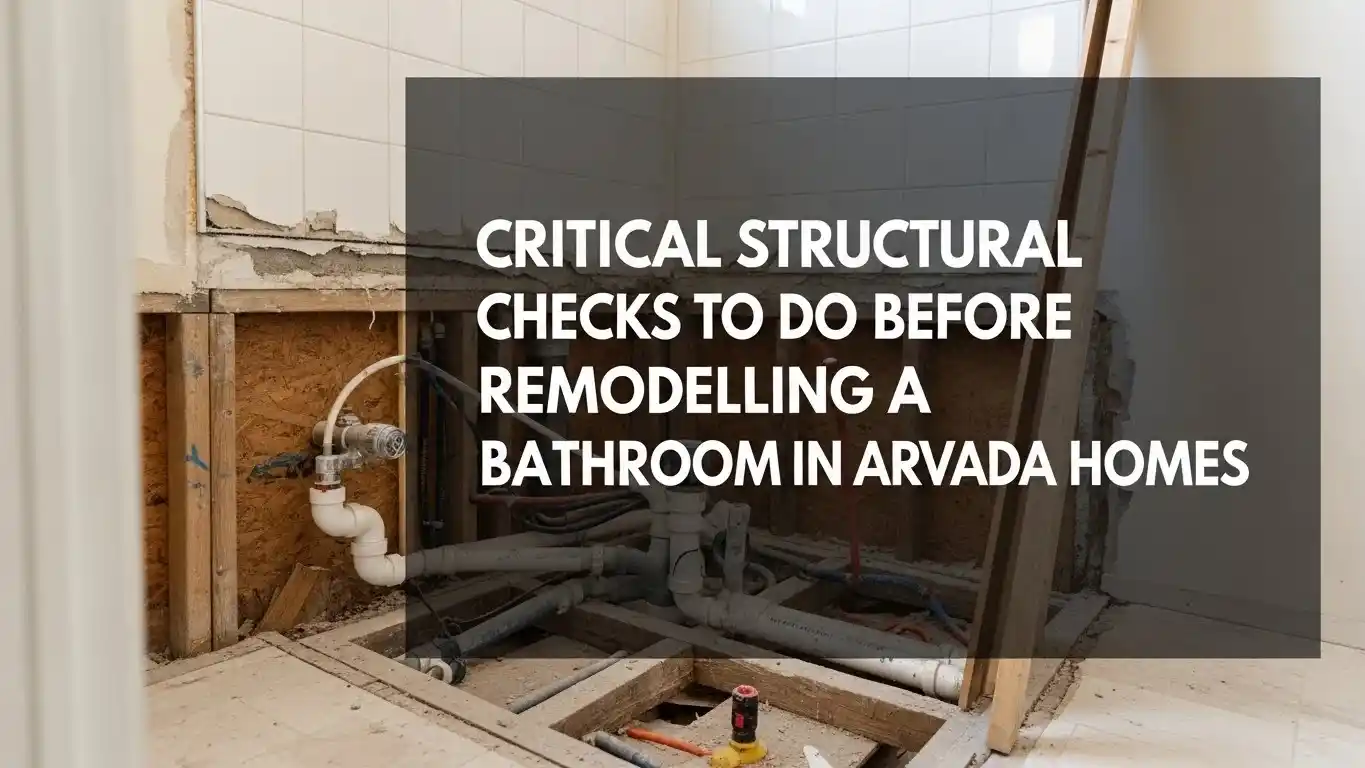
Bathroom remodels in Arvada homes often focus on design and finishes, but the real risks hide beneath the surface. Structural problems inside floors, walls, and plumbing can ruin a remodel if they go unchecked. Many homeowners only discover these issues after tiles crack, fixtures shift, or water damage appears.
Older Arvada homes face added challenges from soil movement, aging materials, and past renovations. Before any bathroom remodel begins, critical structural checks protect your investment and prevent repeat repairs. Addressing these issues early helps ensure the remodel lasts and performs as expected.
Why Arvada Homes Need Extra Structural Inspection
Many Arvada homes were built decades ago, long before modern bathroom materials and building standards. Over time, natural wear, past renovations, and environmental factors place added stress on bathroom structures. These conditions make thorough structural checks essential before any remodel begins.
Several local factors increase structural risk in Arvada bathrooms:
- Soil movement caused by seasonal moisture changes, which shifts foundations, floors, and walls
- Older construction methods, including drywall behind tile or undersized framing
- Previous remodels that may have skipped waterproofing or structural reinforcement
- Aging plumbing systems that weaken surrounding materials over time
Arvada’s soil expands and contracts throughout the year. This movement transfers stress into floors and walls, especially in older neighborhoods. Even small shifts affect tile alignment, plumbing connections, and subfloor stability.
Temperature swings add further strain. Hot summers and cold winters cause framing, flooring, and backer boards to expand and contract at different rates. When materials move unevenly, cracks, separation, and surface failures often follow.
Check the Subfloor for Stability
The subfloor supports every surface and fixture in the bathroom. If it flexes or holds moisture, even a well-designed remodel will fail. In many Arvada homes, subfloor issues develop slowly and stay hidden until tile or grout begins to crack.
Signs of Subfloor Flexing or Sagging
Subfloor movement often shows up during daily use. Homeowners may notice soft or spongy spots underfoot, slight bounce near tubs or toilets, or uneven tile lines. These signs indicate that the surface beneath the tile is no longer stable and needs attention before remodeling.
Moisture Damage Beneath Existing Flooring
Bathrooms expose subfloors to repeated moisture over many years. Small leaks or poor waterproofing allow water to soak into the wood below. Dark staining, warped plywood, or musty odors near the floor often point to hidden moisture damage. Once the subfloor weakens, it can no longer support tile properly.
Why Subfloor Issues Cause Tile and Grout Failure
Tile and grout are rigid materials. They cannot move with a shifting base. When the subfloor flexes, the bond between tile and adhesive breaks. This leads to hollow tiles, cracked grout lines, and loose flooring. Fixing subfloor problems before remodeling prevents these failures and protects the finished bathroom.
Inspect Floor Joists and Structural Support
Floor joists carry the weight of the bathroom, including tile, fixtures, and water loads. In older Arvada homes, joists may no longer meet the demands of modern bathroom materials. Inspecting these supports before remodeling helps prevent movement that leads to cracked tiles and loose flooring.
Sagging or Undersized Joists
Over time, joists can sag due to age, moisture exposure, or added weight from past renovations. Undersized joists flex more under load, which transfers movement to the floor above. Even small shifts cause stress on tile and grout surfaces.
Past Plumbing Cuts Weakening Joists
Older plumbing work often involved cutting or notching joists to run pipes. These cuts weaken the structure and reduce load capacity. Bathrooms above these altered joists are more likely to experience floor movement and surface damage.
Why Joist Movement Affects Tile Longevity
Tile installations require a rigid structure. When joists move, the subfloor moves with them. This movement breaks the bond between tile and grout. Addressing joist issues before remodeling creates a stable foundation that allows tile to perform as intended.
Evaluate Wall Framing and Backing Materials
Bathroom walls support tile, fixtures, and plumbing. If the framing or backing materials are weak, moisture and movement will cause surface failures after remodeling. Many older Arvada homes still have wall systems that no longer meet modern bathroom requirements.
Checking Studs for Moisture Damage
Leaks from showers, valves, or past plumbing work often soak wall studs. Moisture weakens wood over time and reduces its ability to hold fasteners. Soft spots, discoloration, or musty smells inside wall cavities point to damage that should be repaired before new tile goes in.
Old Drywall Behind Tile
Older bathrooms sometimes have tile installed directly over drywall. Drywall absorbs moisture and breaks down in wet environments. As it softens, tile loses support and begins to loosen or crack. Replacing drywall with proper backing prevents future failures.
Why Cement Board and Proper Backing Matter
Cement board and approved backer materials resist moisture and provide a stable surface for tile. They prevent movement, reduce water absorption, and support long-term adhesion. Installing the correct backing before remodeling ensures the finished bathroom remains solid and durable.
Identify Foundation Movement and Cracks
Foundation movement affects bathrooms more than many other rooms. Tile, grout, and plumbing connections react quickly to even small shifts. In Arvada homes, soil movement and aging foundations make this check especially important before remodeling.
Hairline vs. Structural Foundation Cracks
Not all cracks mean serious damage. Hairline cracks are thin and usually stable. Structural cracks are wider, grow over time, or appear in a stepped pattern. These cracks signal movement that can transfer stress into bathroom floors and walls.
How Foundation Shifts Affect Bathrooms First
Bathrooms contain heavy fixtures, tile surfaces, and water lines. When a foundation moves, these rigid materials absorb stress faster than flexible areas of the home. This often shows up as cracked grout, loose tiles, or misaligned fixtures.
When Movement Requires Structural Repair Before Remodeling
If cracks continue to widen, doors stick, or floors slope, foundation issues may need attention before any bathroom work begins. Remodeling over active movement leads to repeated failures. Addressing foundation concerns first protects the remodel and prevents costly rework.
Inspect Plumbing Before Any Remodel Begins
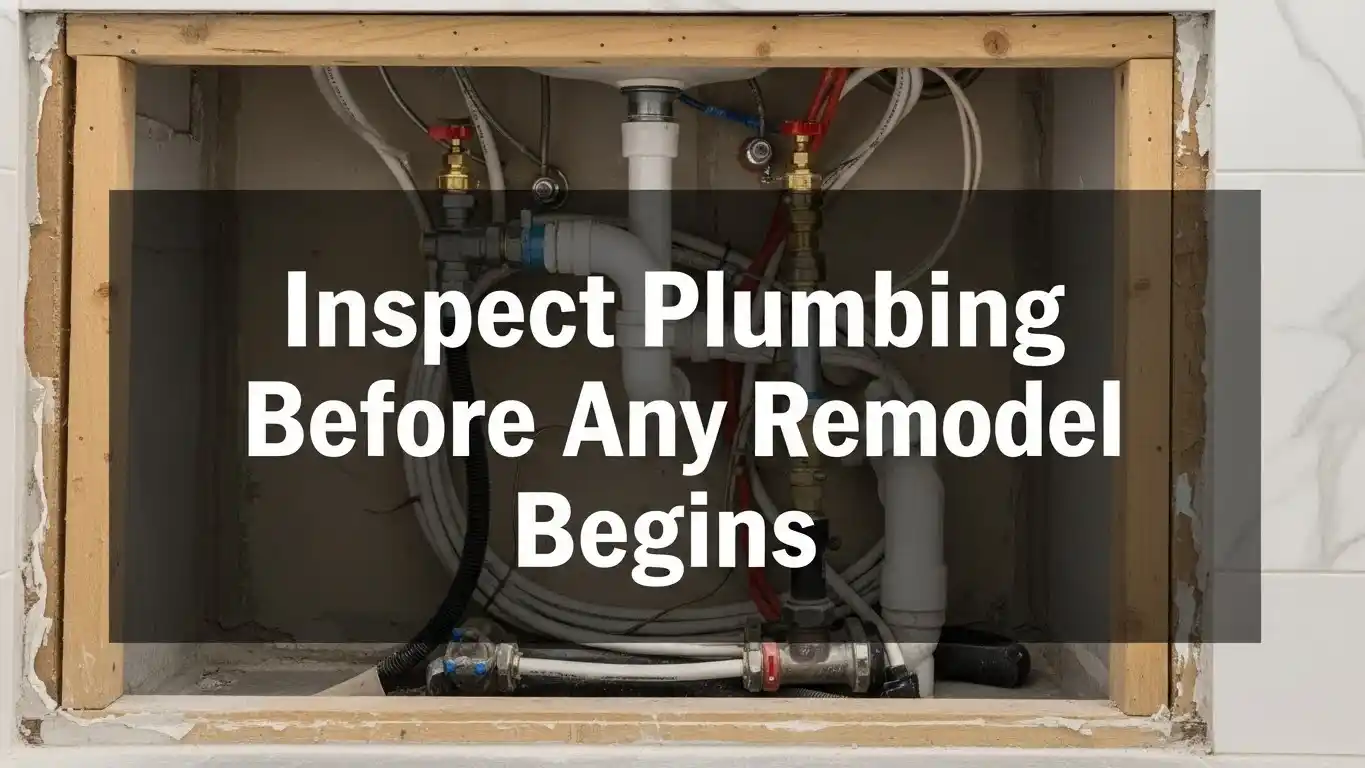
Plumbing problems often hide behind walls and under floors. Remodeling without inspecting these systems can trap leaks behind new finishes. In many Arvada homes, aging pipes and past repairs increase the risk of hidden damage.
Aging Supply and Drain Lines in Older Arvada Homes
Older bathrooms may still use galvanized steel, cast iron, or early copper piping. These materials corrode over time and restrict water flow. Corrosion also weakens pipe walls, increasing the risk of leaks after fixtures are replaced.
Hidden Leaks Behind Showers and Tubs
Slow leaks often go unnoticed for years. Water seeps into framing, subfloors, and wall cavities. Signs include damp smells, discoloration, or softened materials near plumbing walls. These leaks should be repaired before new tile or fixtures go in.
Why Plumbing Issues Damage Structure Over Time
Water weakens wood, rusts fasteners, and breaks down adhesives. Even minor leaks cause long-term structural damage when ignored. Inspecting and updating plumbing before remodeling prevents moisture from undermining the new bathroom.
Check for Moisture Intrusion and Ventilation Issues
Moisture problems often cause the most damage in bathrooms, yet they are easy to overlook during planning. In Arvada homes, poor ventilation and hidden moisture intrusion weaken structural materials long before visible damage appears. These conditions also affect plumbing performance, since long-term moisture can contribute to corrosion, leaks, and pressure issues. Homeowners dealing with related concerns can review this guide on how to fix low water pressure in Arvada bathrooms to understand how hidden moisture and plumbing problems are often connected. Identifying these issues early protects framing, flooring, and finishes.
Signs of Trapped Moisture Inside Walls
Moisture can sit behind tile and drywall for years. Common signs include peeling paint, bubbling surfaces, dark staining, or musty odors. These indicators suggest water is trapped where it should not be and needs to be addressed before remodeling.
Weak or Outdated Ventilation Systems
Older bathrooms often rely on undersized fans or poorly routed ducts. When humid air cannot escape, moisture settles into walls and ceilings. This constant exposure weakens wood, corrodes fasteners, and shortens the life of tile and grout.
Mold Risk and Structural Decay
Persistent moisture creates ideal conditions for mold growth. Mold breaks down organic materials and spreads behind walls and under floors. Left untreated, it compromises structural integrity and poses health concerns. Correcting ventilation and moisture issues before remodeling prevents these long-term problems.
Examine Load-Bearing Walls and Layout Changes
Bathroom remodels often include layout changes, but altering walls without proper checks can create serious structural risks. In Arvada homes, especially older ones, some bathroom walls play a key role in supporting the structure above.
How to Identify Load-Bearing Walls
Load-bearing walls usually run perpendicular to floor joists and sit above beams or other walls below. They often support ceilings, upper floors, or roof structures. Removing or altering these walls without reinforcement can cause sagging, cracks, or long-term structural damage.
Risks of Removing Walls Without Evaluation
Taking out a load-bearing wall without proper support weakens the entire structure. This can lead to uneven floors, cracked tile, and shifting fixtures in the bathroom. Even partial removals, such as widening doorways or niches, can cause problems if not evaluated correctly.
Structural Permits and Safety Concerns
Structural changes usually require permits and inspections. These steps ensure that any removed or altered walls are properly reinforced. Following these requirements protects the home and prevents future issues that could affect the remodel’s durability.
Assess Previous Remodeling Work
Many Arvada bathrooms have been remodeled at least once. Not all past work followed proper structural or waterproofing standards. Reviewing earlier renovations helps uncover shortcuts that can cause problems during a new remodel.
DIY or Rushed Remodels
Bathrooms remodeled quickly or without permits often hide structural issues. Common problems include tile installed over drywall, missing waterproofing layers, or fixtures added without reinforcing the subfloor. These shortcuts save time at first but lead to failures later.
Improper Waterproofing Behind Tile
Older remodels may lack modern waterproofing membranes. Without proper barriers, water seeps into walls and floors and weakens structural materials. Signs include stained framing, soft backing, or recurring moisture odors.
Hidden Shortcuts That Cause Future Failure
Past work may conceal cut joists, patched plumbing, or unsupported fixtures. These issues stay hidden until new materials are installed. Identifying and correcting them before remodeling prevents damage to the finished bathroom.
Why Skipping Structural Checks Leads to Failed Remodels
Skipping structural checks often turns a new bathroom into a short-term fix instead of a long-term solution. When hidden issues remain under floors or behind walls, they usually resurface soon after the remodel is complete.
The most common results of missed structural problems include:
- Cracked grout that reappears within months
- Loose or hollow tiles caused by ongoing movement
- Leaking fixtures that damage new finishes
- Moisture trapped behind walls and floors
These issues often look like surface failures, but they almost always start below the finished materials.
Structural movement also shortens the lifespan of new installations. Even high-quality tile, grout, and fixtures cannot perform properly if the base beneath them shifts or weakens. In Arvada homes, soil movement and aging construction increase this risk.
Addressing structural issues before remodeling protects your investment. It reduces repeat repairs, prevents moisture damage, and ensures the bathroom performs as expected for years.
When to Call a Professional Before Remodeling
Some structural issues are easy to spot, while others stay hidden until serious damage appears. Knowing when to bring in a professional helps prevent mistakes that can affect the safety and lifespan of your bathroom remodel.
Warning Signs Homeowners Should Not Ignore
Certain signs suggest deeper structural problems that need expert evaluation:
- Floors that feel uneven or bounce underfoot
- Repeated grout cracks or loose tiles in the same area
- Persistent moisture smells or visible mold
- Doors or fixtures that no longer sit level
These issues often point to movement, moisture damage, or weakened support.
What Professionals Inspect That Homeowners Often Miss
Professionals look beyond surface materials. They inspect joists, subfloors, wall framing, plumbing paths, and ventilation routes. They also identify improper past work, missing waterproofing, and structural stress points that are not visible during normal use.
Why Early Inspection Saves Time and Money
Catching problems before remodeling prevents costly rework later. Repairs are easier when walls and floors are already open. Addressing structural concerns early helps the remodel stay on schedule and ensures the finished bathroom performs as intended.
A successful bathroom remodel in Arvada starts below the surface. Structural issues in subfloors, joists, walls, plumbing, and ventilation can undo even the best design work if they are ignored. Many common bathroom failures trace back to skipped inspections and hidden damage that was never corrected.
Taking time to complete critical structural checks before remodeling protects your investment. It reduces the risk of cracked tiles, moisture damage, and costly repairs later. For Arvada homes, where soil movement, aging construction, and past remodels are common, careful inspection is not optional. It is the foundation of a remodel that lasts.